
Limitations of the Evidence

Evidence of long-term outcomes associated with the implementation of a Barnahus model is limited and difficult to capture.62 In European Barnahus, the focus can tend to be first and foremost on establishing the model with establishment ‘then characterised as equivalent to success and the positive outcomes or “evidence base” of the model more or less taken for granted.’ 63
One study evidenced improved mental health outcomes associated with access to a Barnahus or CAC model but these were found to vary depending on whether children are required to provide testimony in judicial processes and whether there is a need to testify more than once.64 This study noted that outcomes are determined by children’s circumstances, experience and the policies and resources available for the service and that longer term outcomes are harder to determine.
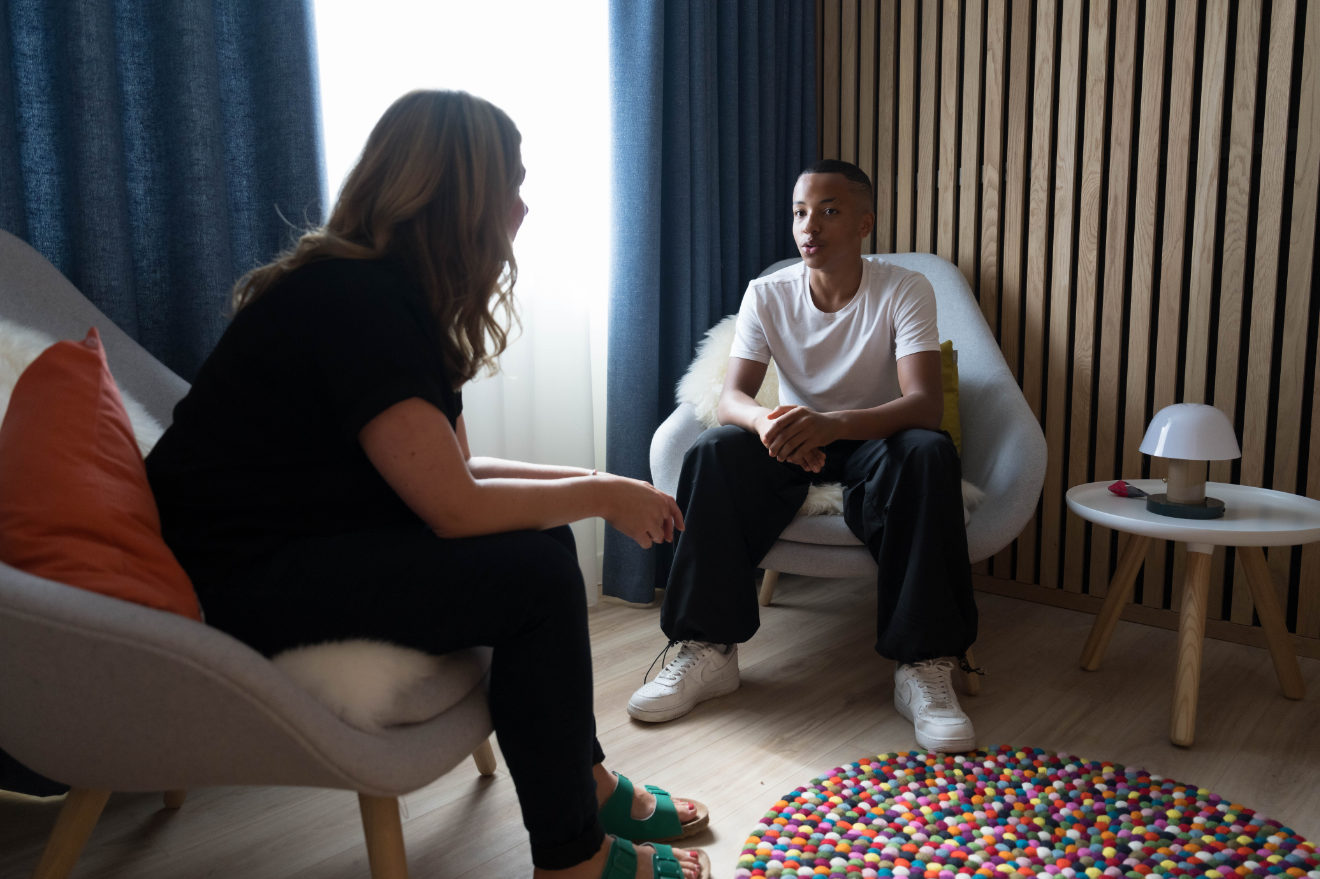
Studies that have captured the perspectives of children and carers show that satisfaction levels with accessing CAC or Barnahus are generally high – and associated with their experience of the child-friendly space and interactions or relationships with professionals that are experienced as kind and caring.65 Lower satisfaction has been associated with the quality of information provided or where children and families feel less able to understand processes or less able to inform decision making.
Beyond these outcomes, existing evidence relating to the Barnahus model (and related CAC’s) tends to focus on outputs (what is delivered), criminal justice outcomes (how many cases reach trial and outcomes of the trial) and child and family satisfaction rather than longer term child wellbeing outcomes.66 Nevertheless, there is some strong evidence supporting the key individual elements of the Bairns Hoose model.
The strongest evidence in relation to Barnahus tends to focus on criminal justice outcomes of the model. Less attention has been paid to capturing robust evidence of approaches to improving children’s wellbeing in the aftermath of abuse. Similarly, there are significant gaps relating to the efficacy of systemic changes such as multi-disciplinary working models or the design and use of space.
Longer term research or evaluation about the introduction and outcomes for the Barnahus model (or similar multi-agency models) is still in its infancy. However, some relevant learning about the need for and role of Barnahus can be found within evaluations and research about related service models and individual components of the model.
62 Herbert, J. L., & Bromfield, L. (2016/9). Better together? A review of evidence for multidisciplinary teams responding to physical and sexual child abuse. Trauma, Violence, & Abuse, 20(2), 214–228.
63 Johansson, S., Stefansen, K., Bakketeig, E., & Kaldal, A (2014) Chapter 1 Implementing the Nordic Barnahus Model: Characteristics and Local Adaptions in Collaborating Against Child Abuse Exploring the Nordic Barnahus Model (ed) Johansson, S., Stefansen, K., Bakketeig, E., & Kaldal
64 Elmi M.H., Daignault I.V., & Hebert M. (2018). Child sexual abuse victims as witnesses: The influence of testifying on their recovery. Child Abuse and Neglect, 86((Elmi, Daignault) Ecole de criminologie, Universite de Montreal, Montreal, Canada), 22–32. https://doi.org/10.1016/j.chiabu.2018.09.001
65 Rasmusson, B. (2011) Children’s Advocacy Centers (Barnahus) in Sweden: Experiences of Children and Parents. Child indicators research. [Online] 4 (2), 301–321
66 Westphaln, K. et al. (2021) Outcomes and outputs affiliated with Children’s Advocacy Centers in the United States: A scoping review - ScienceDirect Child Abuse and Neglect, Volume 111.