
Construction

On receipt of the tender returns, the cost consultant is responsible for arithmetically checking the tenders and ensuring that they are complete. They will support the client in selecting the appropriate contractor for the works and although this is usually the contractor with the lowest tender it can be influenced by other factors, such as programme and quality considerations. Once the contractor is appointed, they are given time to mobilise and plan the works and prepare their health and safety construction plan, which sets out any risk and method statements and provides the client and design team with further detail on how the construction work will be safely managed. Depending on the scale of the work the Health and Safety Executive (HSE) may need to be notified of the project.
The tender for the project was won by a local contractor, Renwood Construction, who worked hard to deliver the project, despite some challenges. Mostly these were related to the fact that although the project looked domestic in scale and design it incorporated several features which would be more typically associated with a larger commercial project, such as the virtual court room, platform lift, and specialist acoustic partitioning, ventilation and panelling.
The design of and construction of these elements had been considered by the design team in some detail and were set out in the drawings and NBS specification but were not always as expected by the contractor. It took time to work out alternative solutions where perhaps Renwood's pricing had not always allowed for the specified products. It is to Renwood’s credit that their own joiners were able to replicate some of the bespoke joinery which had been designed for the project, by inventive use of Ikea components and oak trims.
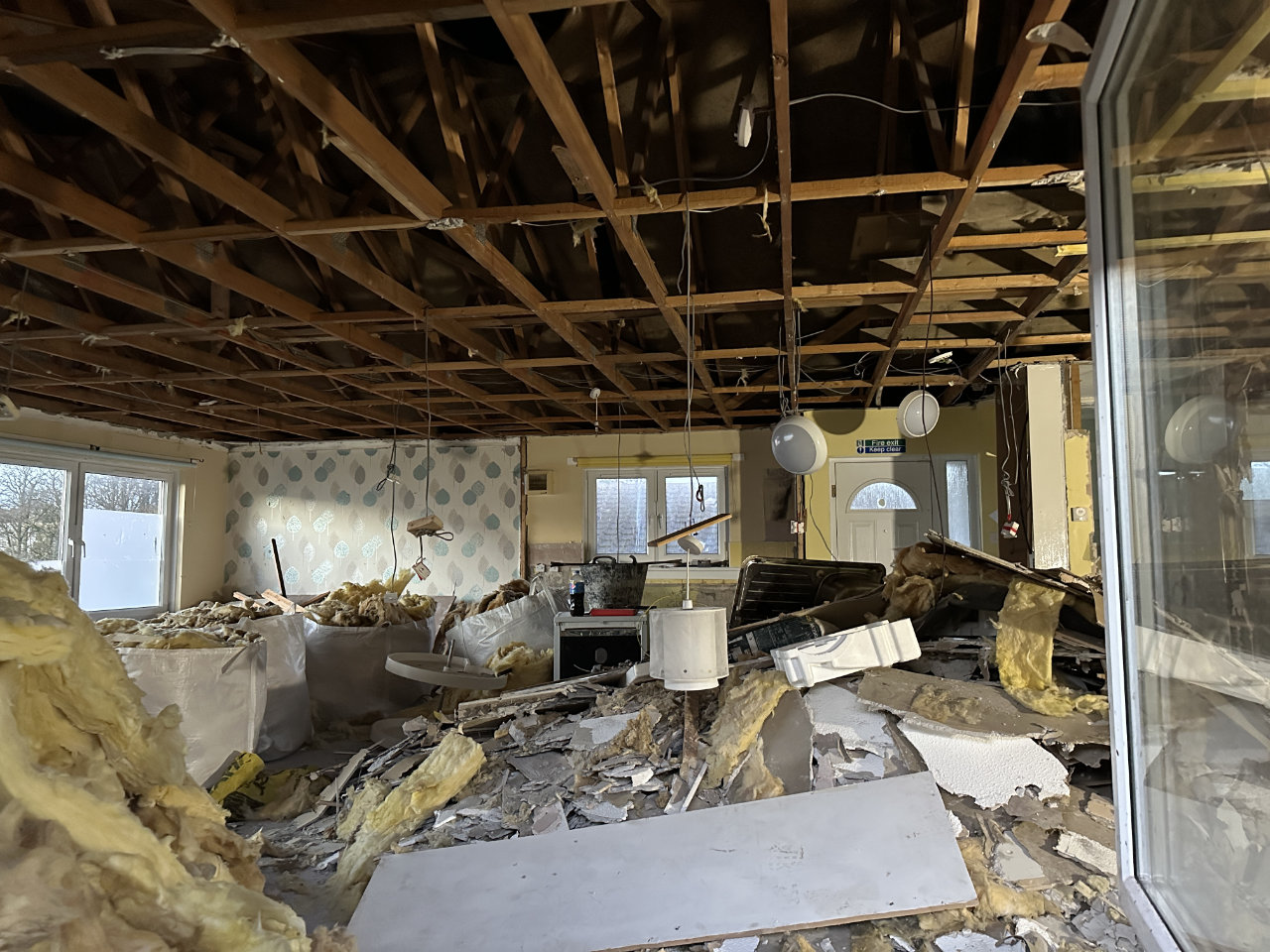
As works progress to construction stage the architect is normally appointed to administer the construction contract on behalf of the client, chair regular site progress meetings and carry out regular site inspections to ensure that the contractor is following the drawings and specifications and that work completed is to an appropriate standard. The architect is also responsible for issuing instructions to the contractor and, if necessary, for rejecting unsatisfactory work.
Valuations of the work are carried out regularly (usually after a monthly progress meeting) by the cost consultants and these are then reviewed and certified by the architect for client payment.